How ultrasonic tanks break down dirt
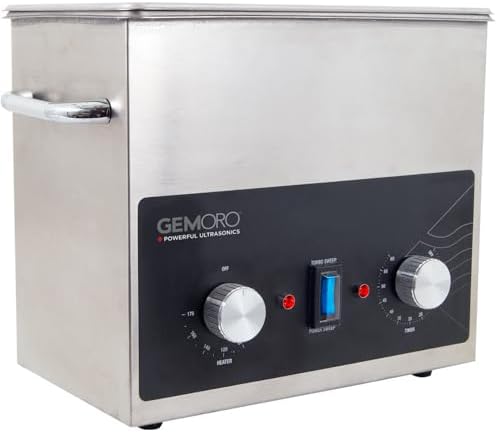
An ultrasonic cleaner relies on transducers mounted to the stainless steel basin. These transducers create high-frequency sound waves that form microscopic cavitation bubbles in the liquid. When these bubbles collapse against the work, they generate scrubbing energy across every submerged surface simultaneously. This action penetrates blind holes, hinges, and basket galleries where mechanical brushes cannot reach. The process loosens dried skin oils, lotion, and accumulated grime uniformly from an entire batch of jewelry resting in the basket, preparing the metal for the next bench operation.
Dissolving polishing compounds and rouge
Freshly polished mountings carry heavy residues of rouge, tripoli, and dialux packed tightly against the metal. Attempting to steam fresh compound off raw mountings often smears the binders across the work. The ultrasonic tank combines cavitation with heated cleaning concentrate to dissolve these petroleum binders and tallow bases. A warm tank solution keeps the compounds liquid, allowing the sound waves to lift the abrasive particles away from the metal. Let the bath run its full cycle so the compound emulsifies completely before pulling the rack.
Using steam for the final flush
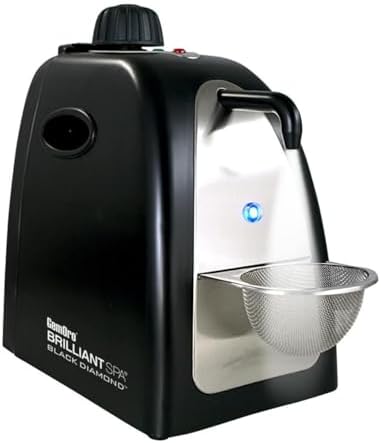
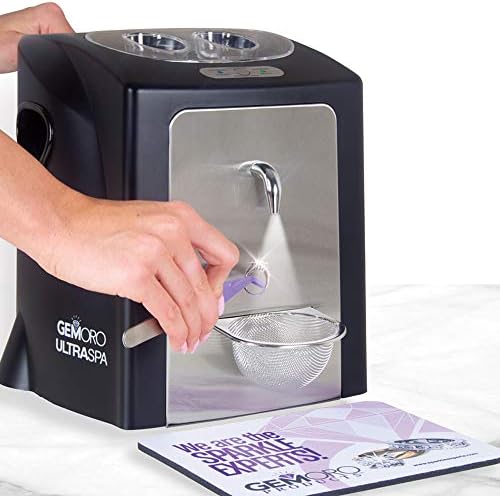
Steam delivers a concentrated blast of dry or wet vapor under controlled pressure directly to a targeted spot. While the tank releases debris throughout the piece, steam physically blows loosened particulates, soap film, and slurry out from behind stones. Directing the nozzle beneath prongs, open-back bezels, and gallery wire flushes the pavilion of the gem. This blast strips away residual film and dries the metal immediately, leaving a streak-free surface. It serves as the final inspection step before a piece leaves your hands.
Solution chemistry and boiler pressure
Water alone will not break down stubborn grease in an ultrasonic tank. Specially formulated concentrates lower surface tension, enabling cavitation bubbles to form and attack oils efficiently. Maintaining proper bath heat accelerates this chemical action. On a steamer, the boiler builds internal pressure to generate velocity at the nozzle. Controlled pressure allows the vapor stream to dislodge trapped slurry instantly without requiring excessive manual wiping. Monitoring pressure levels ensures consistent performance throughout busy production days at the bench.
Materials that require gentle hand cleaning
Certain gemstones and assembly methods must never enter an ultrasonic bath or face a steam jet. Heat, pressure, and cavitation destroy organic gems like pearls, coral, and amber. Porous stones such as turquoise and lapis lazuli absorb fluids and discolor. Treated gems, fracture-filled diamonds, and oiled emeralds lose their fillers under heat and sound waves, exposing internal flaws. Antique foil-backed pieces and glued costume elements will separate immediately. These fragile items require manual cleaning with lukewarm water, mild soap, and a soft brush.
Building an effective cleaning sequence
Most jewelers achieve the best results by pairing an ultrasonic bath with a steam cleaner. The heated tank loosens grease, polishing compounds, and surface film across the entire basket. The steamer follows to blast away loosened matter from under settings and leave the piece dry. Running both tools in sequence produces consistent results across every compatible piece of jewelry.