Carats, grams, and traditional units
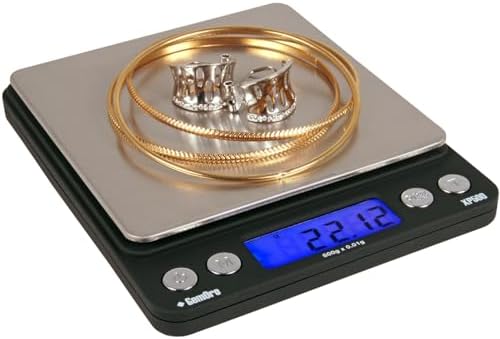
One carat equals zero point two grams. Pennyweight and troy ounces remain standard for precious metal scrap, while grains still appear in traditional pearl trade. Our digital balances convert internally across these units, but the physical load cell mechanics stay unchanged. Selecting a unit on the keypad simply recalculates the register value. A load cell calibrated in metric mass shows rounding differences when converted to pennyweights if the underlying resolution is too coarse for fine grading.
Five thousandths of a carat
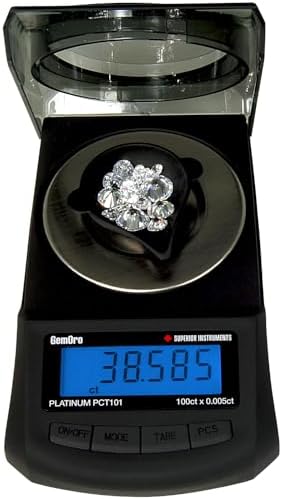
A scale with zero point zero zero five carat readability resolves to half a point. One point is zero point zero one carats. If you sort small diamond parcels, a zero point zero zero five scale tells you whether a stone sits closer to three points or three and a half points. It cannot confirm four decimal places for laboratory export documentation. Readability is not absolute accuracy. Thermal shifts, airflow, and off-center placement cause the last digit to flicker on high-sensitivity balances.
Why high capacity hurts melee
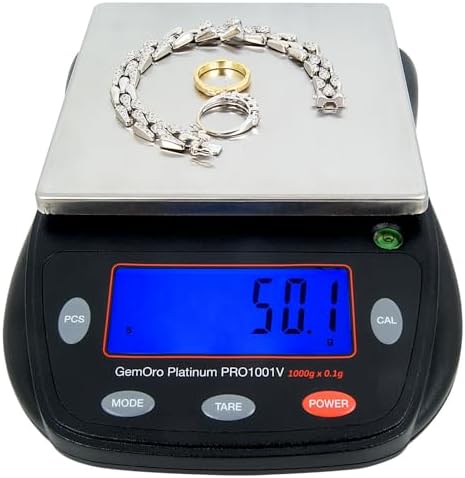
A scale built to weigh one kilogram of casting silver uses a stiff load cell. A single three-point round brilliant applies almost zero displacement to that heavy beam. The strain gauge electronics cannot distinguish that tiny deflection from background electronic noise. If you weigh single melee diamonds, you need a balance with fifty to one hundred carats maximum capacity. Using an oversized balance for micro-stones produces rounding errors that add up quickly across large gemstone parcels.
Draft shields and bench vibration
Air currents from overhead vents and breathing move sensitive weigh pans. Precision carat scales require draft shields to isolate the pan during measurement. Bench vibration from polishing motors, ultrasonic cleaners, and foot traffic also travels through bench legs into the load cell. Place carat balances on a heavy stone slab or dedicated inspection table. Level the adjustable feet using the bubble indicator before zeroing the instrument, and keep the shield closed while reading.
Calibration masses and load headroom
Always calibrate your balance using the specific test mass supplied or specified for that model. Temperature changes expand metal components and alter strain gauge resistance over time. Span calibration recalibrates the digital slope across the measurement range. Select a total capacity that accommodates your heaviest stone parcel plus the tare weight of your stone scoop or sorting tray, but avoid excess headroom that reduces your visible decimal places.
Matching capacity to your bench work
Choose your scale based on the smallest stone you sort daily, not the largest parcel you see once a year. Carat balances with tight readability protect stone counts, while gram balances handle scrap jars and casting trees. Use draft shields, level the feet, and calibrate regularly with a clean test mass.