How cavitation works on bench work
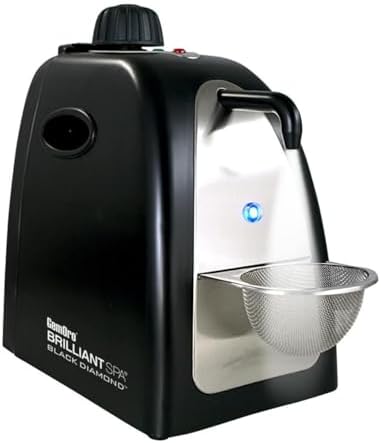
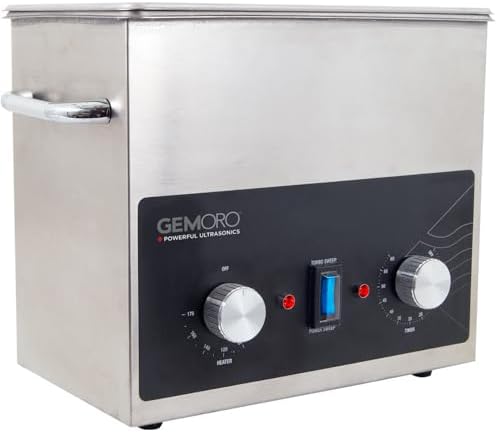
Our ultrasonic transducers convert electrical energy into high-frequency sound waves through the wash solution. These waves create millions of microscopic vapor bubbles that expand and violently collapse. This process, called cavitation, generates localized heat and pressure jets that scrub dirt off metal. It reaches under prongs and into tight gallery work where brushes cannot fit. However, cavitation applies physical shock directly to the surface of every material submerged in the liquid. If a gemstone contains internal stress, fissures, or weak structural planes, cavitation acts directly on those flaws.
Stones that tolerate the tank
Hard, single-crystal stones without significant surface inclusions handle ultrasonic cycles well. Untreated diamonds without heavy feathers, standard corundum including natural ruby and blue sapphire, and most quartz varieties withstand regular cycles. Solid platinum, karat gold, and silver mountings clean safely as long as stones are securely seated. Always inspect each piece under a loupe before submerging it. A diamond with a deep feather extending to the girdle can propagate and split under cavitation shock. When in doubt about stone clarity, wash the mount by hand instead.
Stones that must never enter
Never submerge emeralds, opals, pearls, tanzanite, turquoise, lapis lazuli, malachite, coral, or amber in an ultrasonic tank. Emeralds are routinely oil-treated or resin-filled; cavitation strips the filler and fractures the stone. Tanzanite is brittle and sensitive to thermal and mechanical shock. Organic and porous gems like pearls and turquoise absorb chemistry and discolor or crumble. Assembled stones, including doublets and triplets, rely on adhesives that the tank breaks down rapidly. Fracture-filled or glass-filled stones lose their clarity fillers and will cloud or crack under active cavitation cycles.
Loose stones and tank baskets
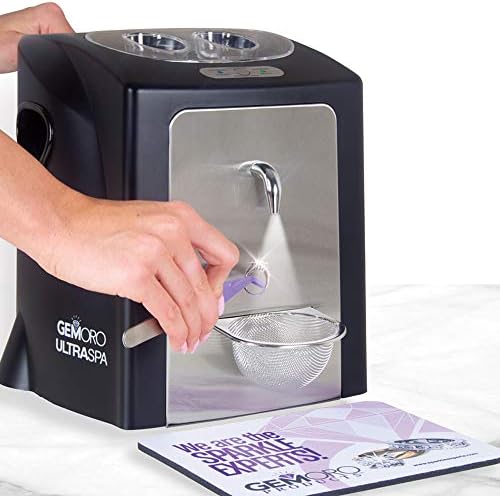
Never drop loose stones directly onto the stainless steel tank bottom. Direct contact with the vibrating basin transfers raw acoustic energy into the gem, which causes chipping or complete fracturing. Use a mesh basket, a stone holder, or suspend the piece in a beaker of solution placed inside the main bath. Loose diamonds and hard gems can rub against each other during cavitation, creating frosted contact points and abraded facets. Keep individual items separated in the basket so metal prongs and stone edges do not hammer against adjacent pieces during the cleaning run.
Prong wear and loose settings
An ultrasonic cleaner does not loosen well-set stones, but it immediately reveals worn metal. Dirt and old polishing compound often pack behind stones, acting as temporary cement that masks worn prongs or broken beads. The tank dissolves this debris, allowing a loose stone to drop out onto the mesh basket. Always examine prong tips, channels, and bezel walls under magnification before submerging customer work. Warn customers that loose gems may unseat once compacted grime clears out. Check the basket after every cycle before discarding dirty wash solution.
Bench habits for safe cleaning
Inspect every piece with a loupe before it touches the cleaning solution. Verify stone identity, check for fractures or fillers, and test prong tension with a brass probe. If a gem carries risk, keep it out of the tank and clean the metal by hand with a soft brush. Keep the basket suspended and change dirty fluids regularly.