Surface contact and conductivity readings
Our electronic testers measure how an electrical current passes between the probe tip and the metal alloy through a conductive liquid. The instrument senses the electrochemical reaction at the contact point and compares the signal against internal reference curves. This process happens in seconds on clean metal. Because the current travels through the top layer of the piece, the reading reflects only what touches the sensor. Heavy dirt, skin oils, and polishing compounds alter the conductivity and shift the reading away from the true alloy value.
Plating and solder joint interference
Plating poses the main challenge for surface measurement. A gold-filled or heavy electroplated layer will read as solid karat gold until you reach the base metal beneath. Solder seams also contain different alloy mixes, which causes the tester to report a lower karat if the probe rests on a joint. We advise users to file an inconspicuous notch on suspected scrap or heavy mountings before placing the probe. Rhodium flashing over white gold will mask the underlying karat until the plating is buffed away at the test spot.
Preparing a clean flat spot
Accurate readings require direct contact with bare metal. We recommend choosing a flat, unornamented area on the shank or back of the setting to seat the probe tip evenly. Use an abrasive eraser or a light file stroke to strip away oxidation, clear lacquer, and surface contaminants. If the probe slips or touches an uneven casting texture, the electrolyte liquid will spread unevenly and distort the signal. Keeping the test well dry and cleaning the probe tip between pieces prevents cross-contamination across different gold karats.
Pen probes versus bench analyzers
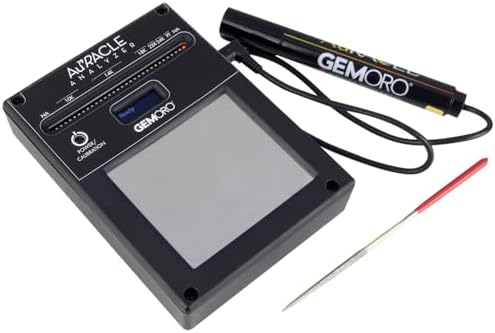
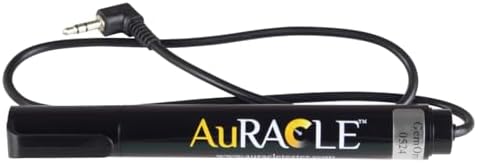
Portable pen probes use a self-contained dispenser tip with an internal electrolyte reservoir, making them quick tools for estate buying and counter intake. Larger benchtop analyzers use a fixed well or tethered sensor with separate testing fluid and calibration plates. The bench units allow repeatable testing across broad karat bands from low gold up to twenty-four karat. Neither format provides an exact decimal fineness. Both styles map the electrical response to a karat band, showing whether a piece falls near ten, fourteen, eighteen, or higher fineness.
Platinum and white metal limits
White metals present unique alloy signatures. Platinum and palladium react differently than yellow gold alloys, so our testers use distinct modes or indicator lights for platinum group metals. White gold contains nickel or palladium, which shifts the electrical conductivity compared to standard yellow brass-alloyed gold. An electronic reading indicates alloy group and karat range, but it is not a formal appraisal or a refined chemical assay. Use the reading to sort stock, verify intake, and spot plated base metals at the bench.
Bench intake and verification limits
We build our testers to help jewelers quickly verify intake scrap, estate jewelry, and raw mountings. A reading confirms whether a clean surface matches expected conductivity bands for standard alloys. It does not replace a chemical assay for refining lots or establish retail value for insurance documentation. Always pair the instrument with a loupe inspection of hallmarks and construction.