Heat conduction as first screen
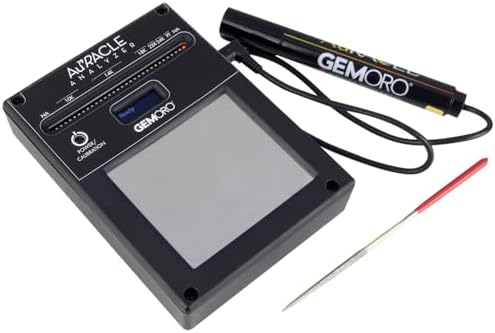
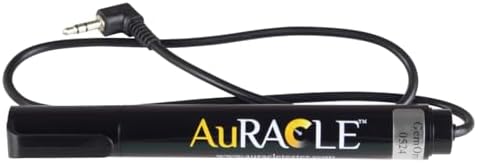
A standard thermal probe contains a heated thermistor at the copper tip. Diamond conducts heat away from the tip faster than cubic zirconia, white sapphire, or glass. The tester measures how quickly the temperature of the probe drops during contact. High thermal inertia registers as diamond on a basic thermal unit. This test alone handles the majority of older simulants, but it cannot differentiate diamond from synthetic moissanite, which shares a similar thermal transfer rate.
Why moissanite requires electrical testing
Synthetic moissanite entered the market with thermal conductivity that overlaps natural diamond. To separate them, we add an electrical conductivity circuit to the probe assembly. Most natural diamonds are electrical insulators, classified as Type Ia, Ib, or IIa. Moissanite is a semiconductor and conducts small amounts of electrical current under low voltage. A dual tester reads thermal transfer first, then pulses a small current to check resistance. If current flows, the unit identifies the stone as moissanite rather than diamond.
Surface contact and probe angle
The probe tip must meet the stone flat against a facet at a ninety degree angle. If you slide the tip across the surface or rest it on a junction, the thermal transfer is uneven. Use light, steady spring pressure. Do not press hard enough to bend the probe shaft. Keep your fingers on the tester contact plates if the unit uses your body as part of the grounding circuit. Cold stones straight from a vault or warm stones just under a lamp can shift initial readings.
Skin oil and fluid contamination
Stones must be clean and dry before you lower the probe tip. A film of hand lotion, polishing compound, or skin oil creates a barrier that slows thermal conduction, making a real diamond read as a simulant. Moisture or cleaning fluid on the girdle can bridge the gap between the probe and a metal setting, completing an electrical circuit prematurely. Wipe the table facet with an alcohol pad and let it dry completely before you take a reading.
Mounted stones versus loose stones
Testing a mounted stone introduces the metal setting into the circuit. If the probe tip slips off a small diamond and touches a gold prong, the tester registers high conductivity and sounds a false alert. Loose stones placed on a metal testing plate provide a solid ground for electrical testing. When testing mounted stones, steady your hands on the bench pin to prevent the probe from bridging the stone and the bezel or prong.
What the reading means
A positive diamond reading confirms high thermal conductivity and electrical resistance. It does not establish whether a diamond is natural or laboratory grown, nor does it replace full gemological analysis. Use the tester as a sorting instrument at the bench. When an unusual stone gives an inconsistent electrical response, clean the facet, reset your ground, and inspect the stone under magnification.